Tiny Episodes, Huge Hook: The Vertical Drama Format That's Making Prestige TV Feel Slow

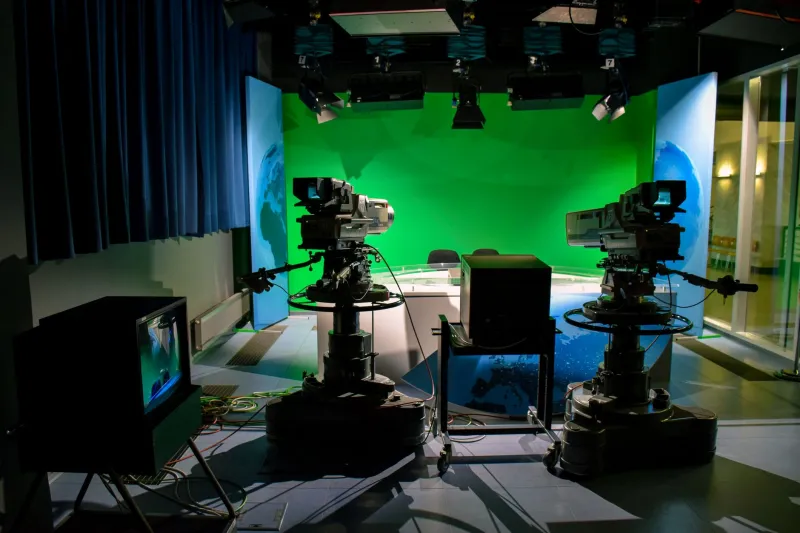
Photo: U.S. Navy photo by Journalist 2nd Class Shane Tuck, Public domain, via Wikimedia Commons
American TV has spent years asking viewers to commit. A prestige drama wants your Sunday night, your group chat, and at least three episodes before it reveals the actual plot. In 2026, a different kind of drama is asking for less time and getting more of it. The vertical micro-drama—shot for phones, built around episodes that often run 60 to 90 seconds, and designed to be watched in a scroll—has become one of the most efficient attention machines in entertainment. It is not trying to be the next HBO epic. It is trying to own the next 90 seconds, and then the 90 after that.
The format grew out of mobile-first platforms in China and South Korea, where short-form fiction already had a foothold. Producers took the serialized hook of a web novel, the pace of a trailer, and the monetization logic of a mobile game, then squeezed the result into a vertical frame. The result looks cheap until you notice how precisely it is engineered. American platforms have noticed. In 2026, the question is no longer whether vertical drama will show up in the US market. It is how much of its pacing will leak into everything else.
The Hook Arrives Before the Credits
Traditional TV opens with a scene. Micro-dramas open with a problem. Someone is being betrayed, fired, married off, or caught in a lie before the viewer has time to settle into a couch position. There is no cold open in the old network sense, because the whole episode is a cold open. The first frame has to do three jobs: establish a face, establish a conflict, and make the next tap feel inevitable.
That is why so many of these shows feel like they start in the middle of a fight. The writing is not lazy; it is aggressively front-loaded. Dialogue carries exposition because there is no room for a slow reveal. Close-ups do the work that a wide shot might do in a longer scene. A raised eyebrow, a text message, a door left open—these are the building blocks. The camera stays vertical because the viewer's thumb is the real edit bay.
Why 90 Seconds Is Enough to Build a Habit
Short is not the same as simple. A 90-second episode can still contain a reversal, a reveal, and a new question. The trick is compression. Micro-drama writers often work backward from the break, asking what the viewer needs to feel before the episode cuts. Then they strip out anything that does not push that feeling forward. Character backstory arrives in fragments. Motivation is implied through reaction shots. The plot does not breathe, because breathing is what the next episode is for.
This is also why the format is so easy to binge. A traditional streaming drama asks for a mental contract: I will give you an hour, you will give me a payoff. A micro-drama asks for a much smaller contract: give me 90 seconds, and I will give you a reason to give me another 90. That smaller ask is harder to refuse. It fits between subway stops, microwave minutes, and the endless small gaps in a day that used to belong to nothing in particular.
The Writers' Room Is a Cliffhanger Factory
Producing these shows is less about luxury and more about speed. Sets are often small, casts are often new, and schedules are built around fast turnarounds. A vertical production cannot afford to wait for a perfect location or a slow-burn subplot. It needs usable coverage, clean sound, and a cut that lands. Many productions shoot in apartment interiors, offices, and hotel rooms that can be dressed quickly and lit for a phone screen.
The writing process reflects that. Teams often break stories in tight beats, then test them against the only metric that matters: does the viewer keep scrolling? If a scene does not create a new question, it gets cut. If a character does not generate tension, they get less screen time. It is ruthless in a way that traditional TV rarely is, and it explains why micro-dramas can feel both addictive and weightless. They are built to be consumed, not savored.
The Money Is in the Scroll, Not the Season
The business model is just as compressed. Many micro-drama apps offer the first chunk of episodes free, then ask viewers to pay per episode, buy coins, watch ads, or subscribe. Some platforms mix all three. The appeal for producers is obvious: lower budgets, faster production cycles, and direct feedback on which hooks convert. The appeal for platforms is even more obvious: a viewer who is already tapping is only one small payment away from tapping again.
In the US, that logic is starting to show up in odd places. Streamers are experimenting with vertical content, short-form spin-offs, and ad formats built for phone-first viewing. Some of it looks like traditional TV chopped into squares. The more interesting experiments borrow the micro-drama rulebook: start hot, cut early, and make the next episode feel like a notification rather than an appointment.
What American Streamers Are Learning
The lesson is not that every drama should be 90 seconds long. It is that pacing is a tool, not a personality. Prestige TV can still earn a slow scene, but it has to know why the scene is slow. Micro-dramas are a reminder that audiences will tolerate complexity if the story keeps moving. They will also abandon a beautiful show that mistakes atmosphere for momentum.
American writers are already borrowing the rhythm. You can see it in cold opens that hit harder, episode endings that refuse to resolve, and seasons that treat the first ten minutes like a pilot pitch. The best version of this influence is not a flood of vertical knockoffs. It is a sharper sense of when to cut, when to tease, and when to stop explaining.
The Risk of All Speed, No Aftertaste
The obvious danger is that speed becomes the only value. If every scene is a hook, nothing lands. If every character is a twist delivery system, the audience stops caring about the person behind the reveal. Micro-dramas can get away with thin characterization because they are designed to be consumed in fragments. A two-hour movie cannot. A ten-episode season cannot. The format works because it admits what it is.
The smarter takeaway is balance. American TV does not need to become a slot machine. It needs to remember that attention is earned in small increments, too. A great episode can end on a question without feeling like a cheat. A great season can move fast without treating the viewer like a lab rat. The 90-second rule is not a law. It is a stress test.
The Next Episode Is Already Loading
Micro-dramas are not the future of all television. They are a lab for pacing, monetization, and the physics of the thumb. They prove that viewers will accept tiny episodes if the story respects the format. They also prove that American platforms are willing to chase a habit once it has been trained. In 2026, the most interesting thing about the vertical drama boom is not that it is short. It is that it has made the rest of TV look like it is standing still.