Falling for Pixels: Inside America's Growing Romance With Fictional Anime Characters
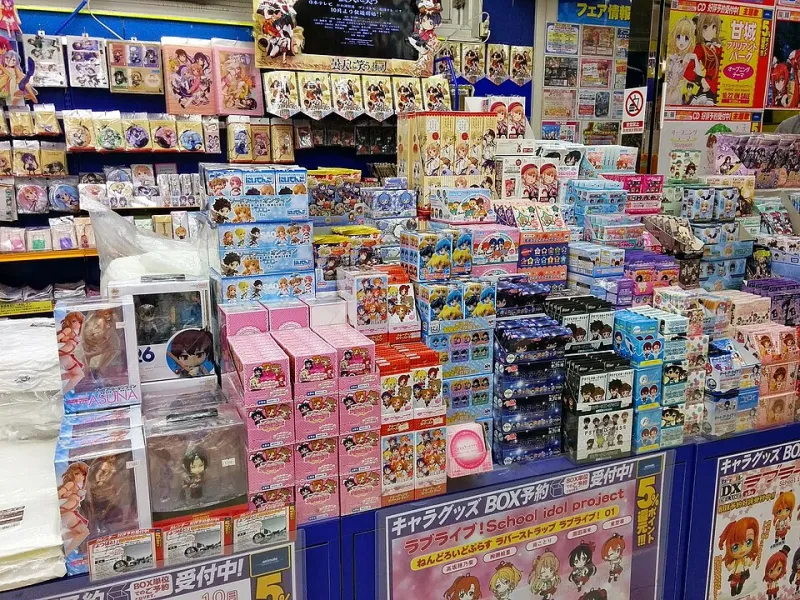
Photo: Ronny Siegel, CC BY 4.0, via Wikimedia Commons
Let's just say it out loud: a lot of people in America are in love with characters who don't exist. Not in a casual "I have a celebrity crush" kind of way — we're talking full parasocial partnerships, complete with anniversary posts, custom merchandise, and in some cases, AI-powered conversation apps that let fans "talk" to their favorite characters daily. The anime boyfriend (and girlfriend) industrial complex is very real, very profitable, and somehow still flying under the mainstream radar.
So how did we get here? And more importantly — is this a problem, or are we just watching culture evolve in real time?
The Market Is Not Playing Around
First, the numbers. The global anime merchandise market was valued at over $26 billion in 2023, with North American sales representing one of the fastest-growing segments. A significant chunk of that revenue comes directly from what the industry calls "waifu culture" — the practice of forming deep emotional attachments to specific fictional characters, predominantly from anime and manga.
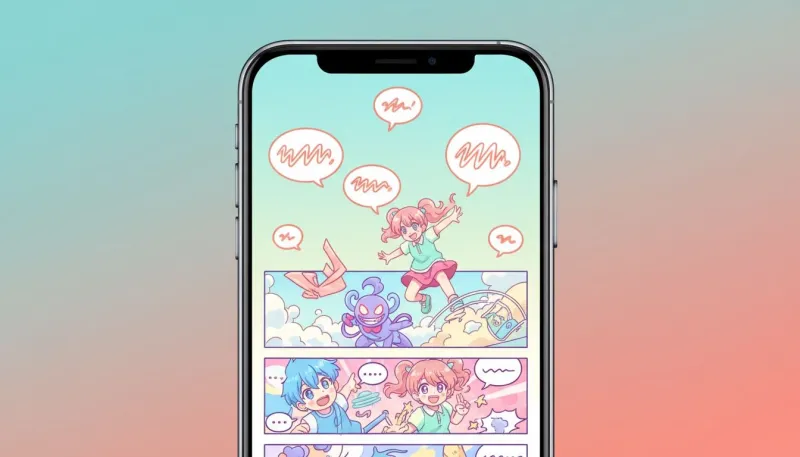
This isn't limited to wall scrolls and keychains anymore. We're talking life-size silicone figures that run several thousand dollars. Custom-printed body pillows (dakimakura) featuring beloved characters from shows like Sword Art Online, My Hero Academia, and Re:Zero. Subscription-based AI apps like Replika and newer anime-specific platforms that let users roleplay romantic scenarios with digitally rendered companions. Some of these apps have reported millions of active users in the US alone.
The industry has figured out something important: the attachment isn't a bug. It's the entire product.
Why Characters Hit Different Than Real People
Psychologists have a name for this — parasocial relationships — and they've existed long before anime. Think about how Americans grieved when fictional TV characters died, or how intensely people connected with radio personalities in the 1940s. The phenomenon isn't new. What is new is how precisely the anime and manga industries have engineered characters to maximize that emotional pull.
Japanese character design, particularly in the shōnen and isekai genres, has spent decades perfecting what fans call "gap moe" — the irresistible contrast between a character's tough exterior and their unexpected soft moments. A stoic warrior who secretly makes terrible puns. A cold genius who blushes exactly once per season. These narrative beats are crafted to trigger very specific emotional responses, and they work incredibly well on a generation raised on content that's designed to be binged.
There's also the consistency factor. Fictional characters don't have bad days that spill onto you. They don't cancel plans. In an era where real-world social interaction feels increasingly fraught and exhausting, the appeal of a relationship with zero unpredictability is genuinely understandable — even if it's worth examining critically.
Gen Z Changed the Rules on What a Relationship Even Is
Older generations might look at this trend and immediately reach for the word "pathetic." Gen Z largely disagrees, and they're not entirely wrong to push back. This generation has grown up redefining social norms at a pace that's genuinely hard to keep up with — from how they handle friendship to how they think about gender and identity. The idea that emotional investment in a fictional character is categorically less valid than emotional investment in a celebrity feels increasingly arbitrary to younger fans.
There's also a real conversation happening inside fan communities about neurodivergence. Many people who identify as autistic or socially anxious have spoken openly about how parasocial relationships with anime characters gave them a low-stakes environment to explore emotions and social dynamics. That's not nothing.
Still, the line between healthy escapism and avoidance behavior is genuinely blurry here, and it's worth acknowledging both sides without dismissing either.
The Loneliness Angle Nobody Wants to Talk About
Here's the uncomfortable part. The rise of character romance culture in the US tracks almost perfectly with documented increases in loneliness, particularly among young men. Multiple studies over the past decade have shown that American men, especially those under 35, are experiencing a friendship and intimacy drought unlike anything recorded in recent history. Fewer close friends, less physical touch, fewer romantic relationships.
Into that gap steps the anime boyfriend (and yes, also anime girlfriend) ecosystem, offering emotional intimacy at scale, with no vulnerability required from the user. That's a powerful proposition. And the companies selling these products know it — their marketing language increasingly borrows from wellness culture, framing character companionship as self-care rather than substitution.
It's worth asking whether an industry profiting from loneliness has any responsibility to the people it serves, or whether it's simply meeting a demand that already existed.
Japan Built This, But America Ran With It
What's interesting is that while Japan pioneered the cultural architecture here — the character design philosophies, the merchandise ecosystem, the narrative tropes — the American market has taken it somewhere Japan's own creators didn't fully anticipate. US fans have built entire subcultures, conventions, and online communities around character devotion that are distinctly American in their scale and earnestness.
There's something almost poetic about that cross-cultural remix. Japan exports a cultural product. America absorbs it, amplifies it, and sends back a version that's simultaneously recognizable and completely its own.
So Is This Fine?
Honestly? Mostly, yeah — with some caveats. Loving a fictional character isn't inherently harmful. Spending money on merchandise for something that brings you joy is a completely normal human behavior. The problems emerge when character attachment becomes a reason to avoid real human connection rather than a supplement to it, or when companies deliberately engineer dependency to maximize subscription revenue.
The anime boyfriend industrial complex isn't going anywhere. If anything, as AI technology gets more sophisticated, the line between "character" and "companion" is going to get a lot more complicated. The conversation worth having isn't whether this trend is weird — it's whether we're building the emotional literacy to navigate it responsibly.
For now, let the people love their pixel partners. Just maybe check in on your actual friends too.