How Manga Took Over the Bookstore and Nobody Saw It Coming
The Shelves Don't Lie
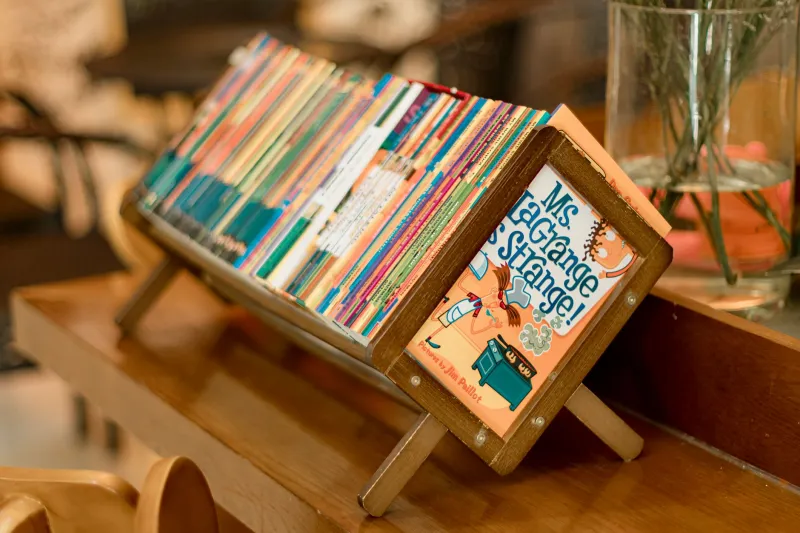
Walk into any Barnes & Noble right now and you'll notice something that would've seemed wild ten years ago. The manga section isn't a section anymore — it's basically a whole wing. Rows and rows of Jujutsu Kaisen, Chainsaw Man, Spy x Family, stacked spine-out like they own the place. Because honestly? They kind of do.
US manga sales have exploded in ways that even optimistic publishers didn't forecast. According to industry tracking firm NPD BookScan, manga has outpaced traditional American comics for several consecutive years running, with the graphic novel/manga category regularly posting double-digit growth while the rest of the book market flatlines or dips. The numbers don't lie, but the story behind them is more interesting than the spreadsheets suggest.
This didn't happen overnight. It happened quietly, systematically, and in a way that caught a lot of Western publishing executives genuinely off guard.
The Old Layout Is Gone
For decades, the geography of a bookstore's graphic novel section was basically a monument to American superhero culture. Marvel trades on the left, DC on the right, maybe a shelf of indie stuff wedged in the middle if the store manager was feeling adventurous. Manga, if it existed at all, was usually a few volumes of Naruto and Dragon Ball Z shoved near the YA section like an afterthought.
That layout is dead.
Retailers started noticing the shift around 2020, when pandemic-era reading habits collided with a generation of anime-fluent teens and young adults who'd grown up watching dubbed and subbed content on Crunchyroll and Netflix. Those viewers wanted the source material. They wanted to read ahead, to own the story, to hold the thing they loved in their hands.
"We started reordering manga volumes faster than anything else in the store," said one floor manager at an indie bookshop in Austin, Texas. "We'd get a shipment of Demon Slayer and it would be gone in four days. Four days. We had New York Times bestsellers sitting there for weeks."
Independent booksellers across the country reported similar experiences, and chain retailers responded by giving manga more floor space — which in turn made it more visible, which drove more sales, which justified even more floor space. The feedback loop was fast and unforgiving.
The Logistics Problem Nobody Talks About
Here's the part of this story that rarely makes headlines: getting Japanese manga into American stores fast enough to meet demand is genuinely complicated, and the publishers who figured it out first are the ones winning.
Traditionally, the pipeline from Japanese release to English-language bookstore shelf took anywhere from one to two years. Publishers like Viz Media, Yen Press, and Kodansha USA had to license titles, commission translations, handle localization, print physical copies, and navigate distribution networks — all while hoping the title was still culturally relevant by the time it landed stateside.
That model worked fine when manga was a niche hobby. It became a crisis when Jujutsu Kaisen was trending on Twitter every other week and American fans couldn't buy the volumes they wanted because they didn't exist in English yet.
The response was a quiet operational revolution. Viz Media, which handles a significant chunk of the US market, accelerated its translation pipelines. Yen Press began releasing digital-first editions of high-demand titles almost simultaneously with their Japanese counterparts. Kodansha USA leaned into day-and-date digital releases for some of its biggest properties. The physical printing and distribution side took longer to catch up, but publishers started working more directly with retailers to forecast demand, pre-position inventory, and reduce the gap between "it's trending" and "it's on the shelf."
"The old assumption was that manga fans would wait," one publishing industry consultant explained. "That assumption aged really badly once this generation came along. They don't wait for anything. You have to meet them where they are, when they want it."
Why Western Comics Didn't Fight Back
It would be unfair — and kind of wrong — to frame this purely as manga beating Western comics. The two markets aren't perfectly competing for the same reader. But it's worth asking why the American comics industry, with decades of institutional infrastructure and cultural goodwill, didn't move faster to capture the same readership.
Part of the answer is price point. A manga volume typically retails between $10 and $13 and contains a complete, self-contained chunk of story. A single-issue American comic book often costs $4 to $5 and ends on a cliffhanger. Collected trade paperbacks are priced closer to $17 to $20. For a teenager with $20 and a genuine love of story, that math isn't hard.
Another factor is accessibility. Manga series, particularly shonen titles, are built around long-form character development and clearly escalating stakes. New readers can pick up volume one and understand exactly what they're getting. The continuity of many American superhero titles — decades of retcons, reboots, and crossover events — can feel impenetrable to newcomers.
Manga also benefits from what you might call aesthetic coherence. The visual language is distinct, consistent, and immediately recognizable. American readers, even those with zero Japanese cultural knowledge, can identify a manga on sight. That brand clarity matters more than most publishers have publicly admitted.
The Retailers Who Bet Early Are Now Winning Big
Some bookstore owners and buyers saw this coming earlier than others, and the ones who acted on it are in a genuinely strong position right now.
Several indie bookshops that leaned heavily into manga curation — building out dedicated sections, hosting manga reading nights, partnering with local anime clubs — have reported that manga now represents a substantial percentage of their total book revenue. For some, it's become a lifeline in an era when general book retail is under pressure from Amazon and digital reading.
"Manga brought in customers who had never set foot in a bookstore before," said one co-owner of a small bookshop in Portland. "Young people who didn't think bookstores were for them. And then they found something they loved, and they kept coming back. That's not nothing. That's everything."
Chain retailers have responded more slowly but more visibly. Target expanded its manga offerings significantly starting in 2021. Walmart began stocking a wider range of titles. Even Costco, which is not exactly known as a hub of literary culture, has been spotted carrying manga box sets.
What Comes Next
The manga boom shows no sign of slowing, but the industry is already thinking about what sustains it. Publishers are investing in discovering the next breakout title before it becomes a phenomenon, rather than scrambling to license it after. Retailers are building out staff expertise — people who actually read manga and can make recommendations — because that kind of human curation matters more than an algorithm when you're talking to a 15-year-old who wants to know what to read after they finished Attack on Titan.
There's also a generation of American readers growing up with manga as their primary comic-reading experience. What they create, what they demand, and what they're willing to pay for is going to shape the publishing industry for decades.
The shelves already look different. The industry is just starting to understand why.