The Voices Behind the Credits: Why Anime Dubs Deserve More Than a Subtitle Snob's Shrug
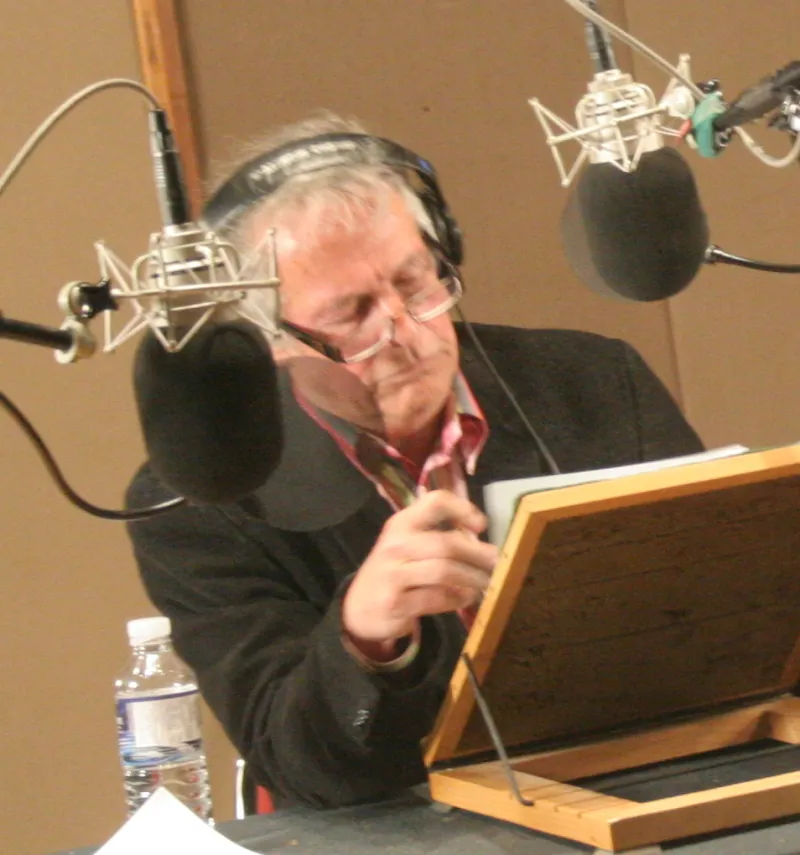
Photo: Kat Baulu, CC BY 2.0, via Wikimedia Commons
Here is a quick way to start a fight in an anime forum: say you watch dubs. The subtitle-versus-dub debate is older than most streaming apps, and in 2026 it still has the energy of a family argument that nobody can quite drop. Subtitle fans call dubs unnatural. Dub fans call subtitles distracting. Both sides act like they are defending the soul of Japanese animation, when most of the time they are defending a preference.
That debate is exhausting, but it is also revealing. English dubs are one of the few parts of the anime industry that American fans interact with directly and still treat as an afterthought. The voice actors who carry those performances are often invisible in the credits, underpaid for the work, and judged by people who have already decided they do not like the product. That is a strange way to treat a craft that makes anime accessible to millions of viewers.
The Dub Discourse Is Exhausting
Let us be fair: dubs can be bad. A stiff translation, a miscast lead, or a direction that flattens the original performance can turn a great episode into a stiff read. Subtitles can also be bad. They can be rushed, clumsy, or so determined to explain a joke that the joke dies on arrival. The difference is that subtitle mistakes are treated as technical hiccups, while dub mistakes are treated as proof that the entire format is inferior.
That double standard is old. Dubs were once the only way most American kids encountered anime, and the shows that built the fandom were often heavily localized. The nostalgia is real, but so is the condescension. A whole generation of fans learned to love anime through English voices, then learned to apologize for it once subtitles became the default setting on streaming services.
A Performance Culture With Its Own Stars
Here is what the subtitle snob misses: dubbing is acting. It is not reading. A good dub actor has to match mouth flaps, honor the original intent, and build a character that works in English without sounding like a translation. That is a technical skill and a creative one. The best dub performances do not disappear into the Japanese track. They stand on their own.
Dub casts also have their own stars. Fans follow certain voice actors from show to show. They recognize a laugh, a growl, or a deadpan delivery. They argue about who should have been cast in a major role. They make edits, attend panels, and treat a good dub performance the way other fans treat a favorite song. That is not a lesser fandom. It is a different entry point into the same love.
Casting Is a Creative Choice, Not a Shortcut
Casting an English dub is not a simple swap. The director has to decide whether to chase the original performance or build a new one. They have to think about age, tone, accent, and chemistry. They have to make sure the cast sounds like they exist in the same world. When a dub works, it is because a lot of small decisions lined up.
That is why casting fights get so intense. A major simulcast dub can set off weeks of discourse before a single episode airs. Fans have opinions about who should play the stoic lead, the chaotic sidekick, or the villain with the velvet voice. Some of that is fandom noise. Some of it is people paying close attention to a craft that rarely gets close attention.
The Pay Problem Nobody Wants to Talk About
The less fun part is the money. Dub work is often fast, tightly scheduled, and paid at rates that do not reflect the skill involved. Actors juggle multiple sessions, travel to studios, and deliver under pressure. Many work non-union or on contracts that offer little security. The result is a labor force that keeps the anime pipeline moving while remaining largely invisible to the audience it serves.
That invisibility matters. When fans treat dubs as a disposable alternative, they make it easier for companies to treat dub actors as disposable too. Respect does not have to mean preferring dubs. It can mean recognizing that the person behind the voice trained for the job, showed up for the session, and made a choice that helped someone else fall in love with a show.
Why the 'Lesser Version' Label Is Bad for Everyone
Subtitles and dubs are not enemies. They are two ways into the same story. Subtitles preserve the original vocal performance. Dubs open the door for viewers who cannot read fast enough, prefer to listen, or simply like the sound of English voices in a familiar register. Neither approach is morally superior. One is a reading experience. One is a performance experience. Both can be artful or sloppy.
The 'lesser version' label also hurts the art form. If dubs are assumed to be bad, there is less pressure to make them good. If dub actors are assumed to be replaceable, there is less investment in their craft. If fans only celebrate subtitles, the industry gets the message that only one kind of labor matters. That is a bad deal for everyone who wants anime to keep reaching new audiences.
What Respect Would Actually Look Like
Respect could look like better credits. It could look like interviews with dub directors, fair pay for actors, and more transparency about casting. It could look like fans saying 'that dub was not for me' instead of 'all dubs are garbage.' It could look like treating a voice actor's performance as a performance, not a translation delivery service.
None of this requires anyone to change their preferred viewing mode. Watch subtitles. Watch dubs. Watch both and argue about which one handled the big speech better. That is the fun part. The unfun part is pretending that the voices America hears every week are somehow outside the art. They are not. They are right there in the credits, waiting to be seen.